

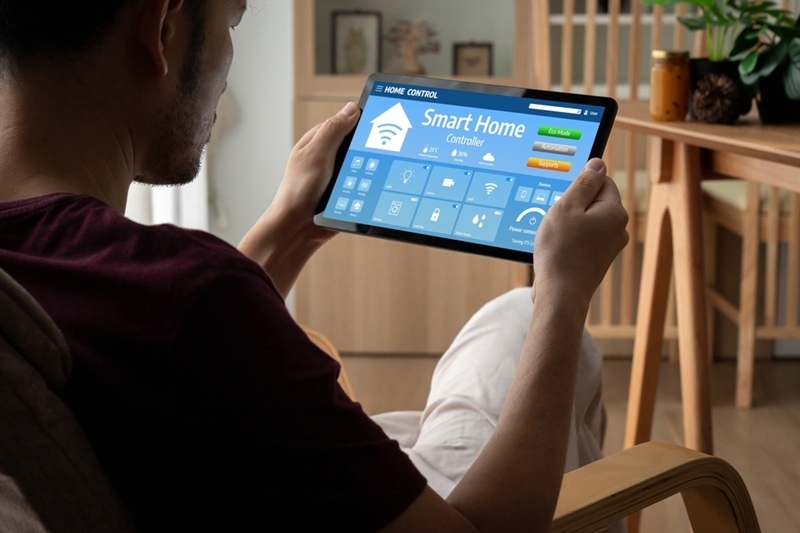
Smart homes used to be a party trick. Lights change color, a speaker answers questions, and someone says, “Cool,” then forgets about it. In 2026, the vibe is different. People want smart homes that feel useful, not flashy. Less fiddling with apps. More “it just works.”
That shift happened because life got busier, energy costs got more noticeable, and home security became a bigger concern. Also, the tech matured. Devices talk to each other better now. Automations are easier to set up. And the best smart features focus on solving boring problems, which is exactly what most people want.
This guide breaks down how smart homes evolved, what’s driving the next wave, and what connected living actually looks like when it’s done well.
The first era of smart home technology was about controlling stuff. Turn lights on with a phone. Adjust thermostat remotely. Watch a doorbell camera from bed. Useful, but still a little clunky.
The newer era is about automation. The home responds to routines, schedules, and sensor triggers without constant tapping. That means fewer manual actions and fewer “why isn’t this working” moments.
A modern smart home does not ask for attention. It quietly reduces friction:
It’s still technology, so it’s not perfect. But it’s far more practical than it used to be.
In 2026, the best setups feel like ecosystems rather than random gadgets. home automation devices 2026 often fall into core categories:
The biggest difference is that sensors are doing more work now. Motion sensors, door sensors, temperature sensors, leak detectors, air quality monitors. These triggers power automations, which is where the “smart” part becomes real.
A smart bulb is cool. A home where lights respond naturally to movement and time of day is actually useful.
Early “smart appliances” were often more annoying than helpful. Apps that crashed. Features nobody asked for. Wi-Fi setups that required a manual and three prayers.
Now, IoT smart appliances are becoming more practical because they focus on maintenance and efficiency:
The best smart appliances do not demand daily interaction. They quietly improve outcomes: less waste, fewer forgotten cycles, better energy planning.
This is where things get interesting. AI powered home systems are shifting smart homes from “command and control” to “predict and assist.”
Instead of a person manually setting ten routines, AI systems can learn patterns:
AI can then suggest automations like:
AI won’t replace common sense, and it shouldn’t make decisions without permission. But as a helper that proposes improvements, it can reduce setup complexity dramatically.
The biggest win of modern smart homes is integration. connected living solutions aim to make devices cooperate rather than act like separate islands.
This shows up in simple moments:
The more the system works as one, the less the user has to manage it. That’s the goal.
Security is one of the main reasons people adopt smart home systems. Cameras, doorbells, and sensors give visibility that was expensive and complex a decade ago.
Smart security innovations include:
The important shift is smarter filtering. People don’t want 50 alerts about shadows. They want alerts that feel meaningful: a person at the door, a door opening unexpectedly, a package drop, unusual activity at night.
Security tech is also becoming more neighborhood-aware. Better lighting and presence simulation can deter problems before they happen.
The average homeowner learned a few lessons the hard way:
The best smart homes are not the ones with the most devices. They are the ones that reduce daily effort. If a smart home creates more chores, it fails the whole point.
A reliable smart home setup usually includes:
Voice assistants are helpful, but the real magic is automation that runs quietly. People don’t want to talk to their house all day. They want the house to help.
The second mention of smart home technology matters because energy management is becoming a major reason to upgrade.
Smart thermostats, smart plugs, and appliance scheduling can reduce waste. Smart energy monitoring can show which devices are quietly driving bills up.
Practical energy automations include:
When smart tech saves money, it stops being a luxury and becomes a tool.
The second mention of home automation devices 2026 fits here because comfort is a major value driver now. People use automation for small quality-of-life improvements:
Comfort is about lowering friction. Smart homes are getting better at that.
The second mention of IoT smart appliances belongs here because one of the most useful upgrades is maintenance alerts. A fridge that warns about temperature instability can prevent food loss. A washing machine that detects imbalance can reduce damage. A water heater monitor can flag unusual usage.
These are quiet benefits. They don’t look cool in a demo, but they matter in real life.
The second mention of AI powered home systems comes with a reminder: AI depends on data. That creates privacy concerns.
Households should consider:
The best systems offer transparency and control. Smart homes should feel safe, not watched.
The second mention of connected living solutions is a reminder that integration should reduce complexity. If integration adds steps, it’s not helping.
A good system feels like:
If the household understands the system, they trust it. If they don’t, they turn it off.
The second mention of smart security innovations highlights what’s coming next: stronger identity controls, better local processing for privacy, and more accurate detection that reduces false alerts.
Security tech will likely continue blending with lighting, access control, and neighborhood-level awareness. The goal is protection without constant anxiety.
Smart homes used to feel like gadgets stacked together. In 2026, the best ones feel like systems designed around people.
When automations match real life, the technology fades into the background. That’s the best outcome. A home that quietly supports comfort, safety, and efficiency without demanding constant attention.
Many people start with a smart thermostat or smart lighting because it delivers daily value quickly and sets the foundation for automations.
Some features may stop, especially cloud-based controls, but the best systems include local controls and automations that still function without internet access.
They can be, but privacy depends on the brand and settings. Using strong passwords, updating firmware, and reviewing data permissions helps reduce risk.
This content was created by AI