

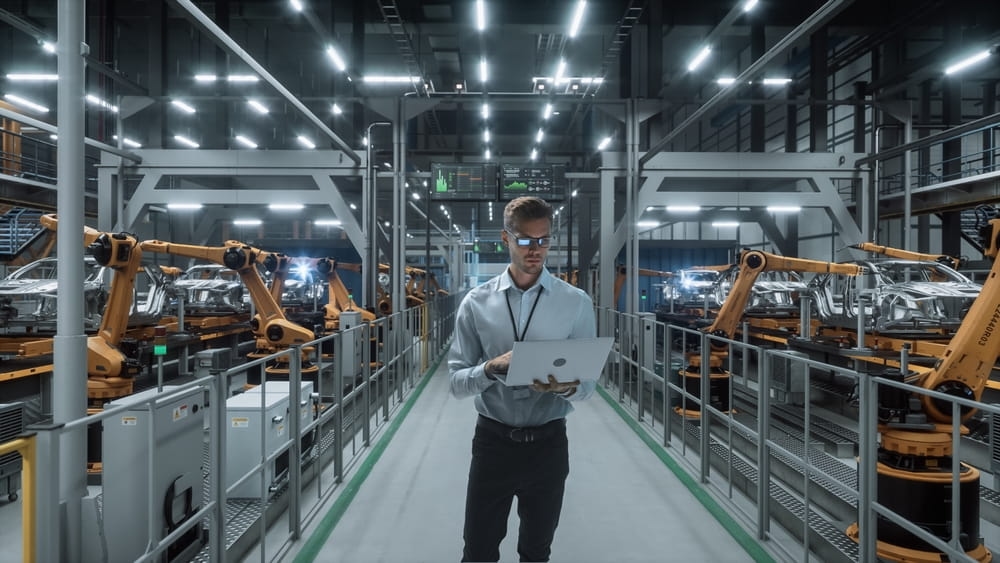
Manufacturing isn’t what it used to be. Walk into a modern factory, and you’ll notice way more robots than people on the floor, and those robots aren’t just doing the heavy lifting—they’re thinking on the job. Technology is rewriting the rules, and robotics automation is leading the charge. It’s reshaping how we design, build, store, and ship pretty much everything.
With global competition heating up and customers expecting faster, cheaper, better products, manufacturers feel the squeeze. Robotics automation lets them crank up efficiency, cut down on mistakes, and keep workers safer. What was once cutting-edge is now just how things get done.
At its core, robotics automation means using programmable robots, sensors, and software to handle tasks that used to need people. Assembly, welding, painting, packing, inspecting—you name it, robots do it.
Here’s the big difference: traditional machines stick to one job, over and over. Robotic systems can jump from task to task. You can reprogram them on the fly, so if demand shifts, you don’t have to rip out your production line. That kind of flexibility keeps manufacturers nimble.
Plus, robots pick up the boring, backbreaking work, freeing people to tackle supervision, troubleshooting, and new ideas.
Industrial robots are the backbone of today’s automated factories. We’re talking robotic arms, smart sensors, and vision systems—all working together, all built for accuracy and speed.
Automakers were the first to go all-in on robots, chasing precision and quick turnarounds. Now, you’ll spot industrial robots everywhere: electronics plants, food processors, pharma labs, heavy equipment shops, you name it.
The latest industrial robots aren’t the caged-off machines of the past. They’re safer, more collaborative, and often work right alongside people. That shift means even small and mid-sized businesses can afford automation now.
Artificial intelligence has given robots a serious upgrade. AI-driven manufacturing robots don’t just follow instructions—they learn from data, spot patterns, and make fast decisions. So when products or processes change, these robots can adapt on the fly.
Robots using artificial intelligence (AI) are involved in quality control and can notice mistakes that might be missed by human inspectors. AI robots can also collect data about when machinery is going to fail so that repairs can be made before bigger issues arise that would stop production entirely.
Well-known enterprises like ABB and FANUC have developed newer generations of more reliable AI robots that help keep factories operating without delay.
In a connected factory, robots are connected to computer systems, sensors, and the most recent information very frequently. A robot can communicate with another robot or machine over an internet connection and ensure that the production process runs smoothly.
While robots in a connected factory may generally not be moving, if a robot detects an anomaly from a sensor, it or another robot can automatically respond to maintain the planned production sequence.
These advanced technologies provide a means for improving production rates, reducing energy consumption, minimizing waste, and adjusting production schedules based on real-time data. All of these improvements lead to lower costs, fewer times that production is interrupted, and a higher quality of output—all at the same time.
Manufacturing isn’t just about cranking out products on the line—the real game-changer happens in storage, inventory, and shipping. That’s where warehouse automation steps in and starts to make things interesting.
Warehouse automation means you have robots zooming around, taking care of moving goods, sorting stuff, keeping track of what’s in stock, and getting orders packed up and ready to go. These robots drive all over big warehouses, avoid things in their way, and just keep working. They don’t get tired, need a break, or whine about anything.
Big players like Amazon have leaned hard into warehouse automation to stay on top of huge volumes and tight deadlines. More and more manufacturers are following suit because if you want to speed up your supply chain and keep customers happy, you really don’t have a choice.
Now, while robots handle the heavy lifting and repetitive jobs on the floor, robotic process automation (RPA) tackles the digital side. Software bots control the experience that customers have with their provider. Software bots manage data entry, scheduling, reporting, and order processing, which is what most companies do not want to do.
RPA in manufacturing pairs RPA with physical robotics as a method of streamlining the backend operation of a manufacturer. RPA will update the inventory record or automatically generate the invoice, plus RPA can track production numbers to ensure there are no mistakes.
When you mix RPA with AI-driven manufacturing robots, you get a system where everything clicks. Suddenly, every department knows what’s going on. Decisions get faster, and they’re backed by real data.
Bringing robotics automation into the mix delivers serious results for manufacturers:
Robotic systems also help manufacturers tackle labor shortages and keep output steady. As factories get smarter, these advantages just keep stacking up. At this point, automation isn’t just a quick fix—it’s a long-term strategy.
Of course, it’s not all smooth sailing. Robotics automation comes with its own set of hurdles. The upfront price tag can be tough, especially for smaller companies. You need a solid plan to get everything working together with your current setup.
Training is another big one. Workers have to learn how to run, monitor, and maintain these new systems. But here's the deal: automation often makes new jobs. You actually need more people for tech and management stuff, not fewer.
And don't forget cybersecurity. When everything's online, you need to protect your systems. A data leak or if production stops, it can really hurt your business.
Soon, robots and automation will be even better. With smarter AI, sensors, and better ways to connect, robots are getting smarter, safer, and cheaper. Robots that use AI can change what they do as things happen and make better choices.
Warehouse automation is becoming even more hands-off, and RPA keeps streamlining the digital side. Put it all together, and you’ve got a fully connected, ultra-efficient manufacturing setup.
Manufacturers that jump on robotics automation now are setting themselves up to win in a world that’s only getting more connected and competitive.
Factories grow sharper, tougher, and quicker, thanks to machines that work without tiring. Machines take on heavy jobs accurately; the intelligence inside them learns from each move. These aren’t just arms moving parts; they adjust, improve, and respond. Power comes not only from strength but also from smart factory technology built into daily operations.
Meanwhile, machines handling routine tasks make digital workflows smoother while boosting how well things run. With tech always moving forward, automated systems are set to stay central in defining where factory production heads next.
Faster results show up where precision matters most: factory moving parts, gadgets being built, goods shipped on time, meals packed safely, and medicines measured just right. Machines keep pace because waiting slows everything down.
Most people don't know that today's factory robots can easily adapt to changes, which makes them available to even small production teams. These robots can be redesigned easily when needs change, and that makes things possible that were once too expensive or complicated.
Faults get spotted fast when learning machines study production details. Variations in materials? The systems adjust without pause. Downtime slips lower since upkeep happens just before trouble shows. Watching patterns helps robots stay ahead of failures.
Machines handling real-world jobs define robotics automation. On the flip side, digital routines get replaced by software bots through robotic process automation.
This content was created by AI