

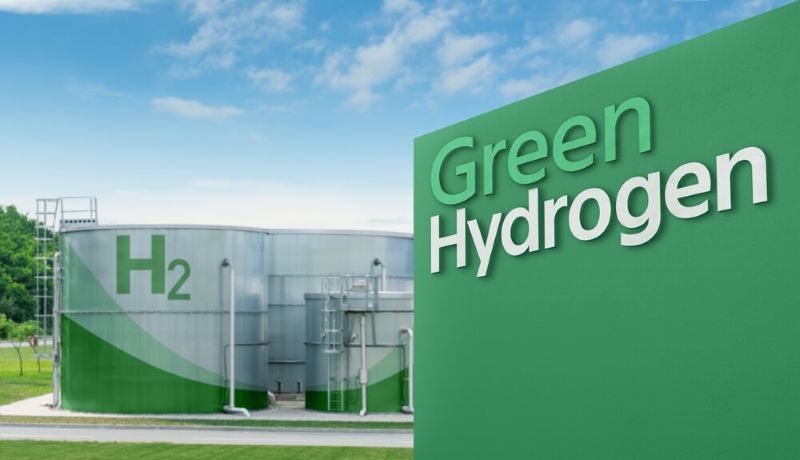
Green hydrogen is rapidly gaining real competition in the clean mobility race in America. Since states are simply trying to demand less carbon and smarter energy consumption, hydrogen can help generate vehicles that run on power that is not carbon-intensive. This method is adopted in hydrogen fuel cell vehicles, large-scale renewable hydrogen generation, and in clean transportation innovation and on-practical zero-emission mobility solutions in accordance with the existing trends of energy transition.
Cars are getting quieter. Buses are going electric. States such as California and Texas are competing to modernize their grids. And yet, the question is, how are we going to start heavy trucks, long-haul freight, ships, and possibly even planes without filling the air with carbon? It is where green hydrogen technology takes the center stage. It offers fuel-free, movement-free, and progress-free.
Hydrogen is not hydrogen is not hydrogen. Part of the hydrogen is produced out of natural gas, which still produces carbon. Green hydrogen is different. It is manufactured with renewable energy, typically in the form of solar or wind, to divide water into hydrogen and oxygen with the process of electrolysis.
Only such a straightforward shift in production makes all the difference. Clean power-produced hydrogen will be a real climate actor. It captures renewable energy, solves the grid, and powers cars without emitting tailpipes.
Here’s the basic idea. An electrolyzer is fuelled by renewable electricity. An electrolyzer separates oxygen and hydrogen. The hydrogen is thermo-stored and used subsequently as energy.
Sounds simple, right? In theory, yes. In practice, it requires:
America is making great investments in space. Production of renewable hydrogen is being compelled by federal incentives and programs at the state level. The idea is straightforward and efficient, which is to reduce the prices and develop regional hydrogen hubs that will link the production with demand.
Electric vehicles often steal the spotlight. But hydrogen fuel cell vehicles deserve a closer look. They generate electricity onboard by combining hydrogen with oxygen in a fuel cell. The only byproduct is water vapor. That’s it. No carbon dioxide, no nitrogen oxides.
Think of a hydrogen fuel cell like a tiny power plant inside your car. Hydrogen flows into the cell. It reacts with oxygen from the air. This reaction produces electricity, which powers the motor. The waste? Just water.
Unlike battery electric vehicles, hydrogen cars can refuel in minutes, similar to gasoline. That quick refueling time makes them appealing for long-distance travel and commercial fleets.
Hydrogen shines in areas where batteries struggle. For example:
Companies like Toyota and Hyundai are already testing and deploying hydrogen models in the US market. Meanwhile, several public transit agencies are adding hydrogen buses to reduce urban air pollution.
If you step back, you can see the bigger picture. Green hydrogen technology is not just about cars. It’s part of a broader wave of clean transportation innovation reshaping how America moves goods and people.
Battery electric vehicles work well for passenger cars. But heavy industry needs something more energy-dense. Hydrogen offers that extra punch.
Several trucking startups and established manufacturers are developing hydrogen-powered semis. Rail operators are experimenting with hydrogen locomotives, especially in regions where electrifying tracks is expensive. Ports are testing hydrogen for cargo handling equipment.
Urban areas face unique challenges. Congestion, poor air quality, and noise pollution affect millions. Hydrogen can support zero-emission mobility solutions that go beyond private vehicles.
Imagine city buses that run quietly through neighborhoods. Garbage trucks that do not spew diesel fumes at dawn. Even hydrogen-powered ferries run along coastal cities.
Energy transition trends in the US are not moving in one straight line. They zigzag. There are policy debates, funding cycles, and technological setbacks. Yet the direction is clear. Decarbonization is a priority.
Recent federal initiatives aim to establish regional hydrogen hubs. These hubs bring together producers, storage facilities, transport networks, and end users.
The idea is practical. Instead of building isolated projects, create ecosystems. A wind farm powers electrolysis. The hydrogen fuels trucks and industrial plants. Excess energy is stored for peak demand.
This regional approach lowers risk and encourages private investment. It also spreads economic benefits to different parts of the country, from the Gulf Coast to the Midwest.
Major energy companies are investing in green hydrogen pilot plants. Automakers are hedging their bets by developing both battery and hydrogen platforms. Utilities are studying how hydrogen can stabilize the grid during extreme weather events.
You know what? That diversity is healthy. The future of mobility will likely be mixed. Batteries for short trips. Hydrogen for heavy loads. Maybe synthetic fuels for aviation. It’s not a one-size-fits-all solution.
It would be easy to paint green hydrogen technology as flawless. But that would be misleading. There are real hurdles.
First, cost. Producing renewable hydrogen is still more expensive than conventional hydrogen. Electrolyzers are improving, but scaling them requires capital.
Second, infrastructure. Hydrogen needs pipelines, storage tanks, and refueling stations. Building this network takes time and public support.
Third, efficiency. Converting electricity to hydrogen and back to electricity involves energy losses. Some critics argue that batteries are more efficient for many uses. They are not wrong. But efficiency is only one piece of the puzzle. Energy density, refueling speed, and long range matter too.
Green hydrogen technology stands at the intersection of climate ambition and practical mobility needs. It supports hydrogen fuel cell vehicles, strengthens renewable hydrogen production, and drives clean transportation innovation across the US. While challenges remain, the momentum behind zero-emission mobility solutions continues to grow.
Green hydrogen technology produces hydrogen using renewable electricity to split water into hydrogen and oxygen. It creates fuel without direct carbon emissions.
They are different. Hydrogen fuel cell vehicles refuel quickly and are suited for heavy-duty use, while battery electric cars work well for short and medium trips.
Right now, it costs more than conventional hydrogen. However, falling renewable energy prices and improved electrolyzers are lowering costs over time.
Hydrogen powers vehicles and equipment without tailpipe emissions. It helps decarbonize trucks, buses, and other sectors where batteries alone may not be enough.
This content was created by AI