

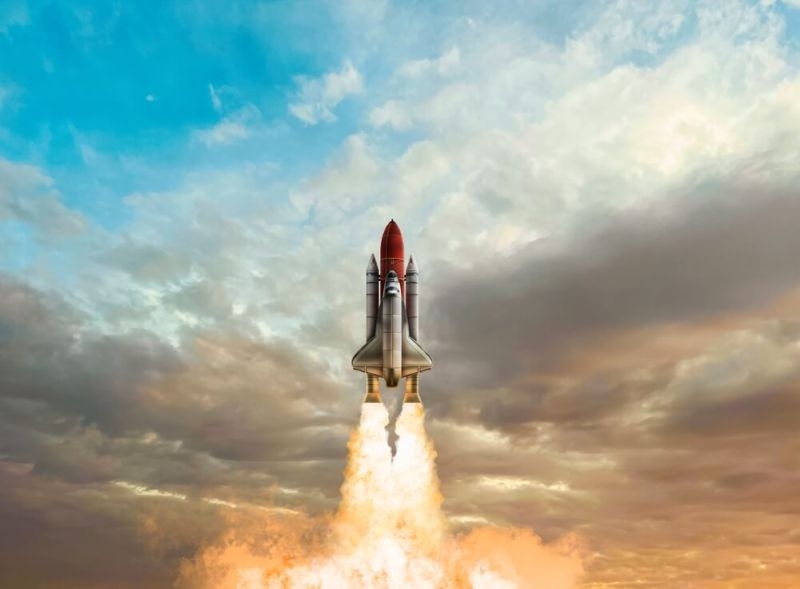
For most of history, only highly trained astronauts with national space agencies had any shot at leaving Earth. That’s changing—fast. These days, space tourism is turning into one of the most electrifying developments in tech and travel. Civilians can finally dream about seeing space for themselves. Technology keeps improving, money keeps pouring in, and more regular people are actually interested.
What’s behind this shift? A bunch of ambitious private space companies, new ideas like private orbital missions, and game-changing tech such as reusable rockets. All of that is fueling a booming space tourism market and totally changing what the future of space travel looks like for everyday people.
At its simplest, it’s about getting non-professional astronauts—folks like you and me—into space, whether for fun, research, or just bragging rights. In the early days, only the super-wealthy could buy a ticket to space, usually through government-run programs. Private companies are all about safety, but they also want to make the whole thing unforgettable.
There are really two types of trips: suborbital and orbital. Suborbital flights shoot just past the edge of space, giving you a few minutes of weightlessness before dropping back down. Orbital trips are a bigger deal—you actually circle the Earth at high speed, experiencing microgravity for days. Both kinds make space more accessible and help get more people excited about being part of this new era.
Private companies have completely shaken up the space industry. Unlike government agencies, they move fast, operate like businesses, and put customers front and center. This approach has sped up progress, slashed costs, and made space tourism feel possible.
SpaceX stands out here. They’ve shown that private companies can launch people into orbit and bring them back safely. Their missions prove you don’t need a government to run the show. Blue Origin focuses on suborbital flights—basically, space for first-timers. Virgin Galactic is doing its own thing, using a spaceplane to blend the feel of flying and space travel.
Space companies pushing each other leads to faster progress, safer systems, and lower costs. This rivalry sparks new ideas and builds trust with the public, which is key to space tourism actually happening.
Short trips to space are cool, but private trips to orbit are where all the excitement is. Instead of quick visits, these missions let everyday people spend days up there. This means we need way better tech, like spot-on navigation, good life support, and protection from space radiation.
The early wins show that with the right training, everyday people can handle longer space trips. Also, flights to orbit are a way to get to even bigger things, like trips around the Moon or stays on private space stations. Every time a mission goes well, it builds trust, gets more money flowing in, and makes more people want to join the fun.
Cost has always been the biggest hurdle in space travel. Old-school rockets could only fly once, which sent prices through the roof. Reusable rockets flipped the script. Now, companies can recover and relaunch hardware, which slashes costs and lets them fly more often.
This shift is huge for space tourism. Lower launch costs mean more flights and better spacecraft for customers. Reusable rockets also cut waste and boost efficiency—something that matters as the number of launches keeps going up.
Each time a rocket flies again, people trust the process a bit more. That trust is what it takes to turn this tourism from a luxury for a few into an industry where plenty can take part.
It’s taken off lately, and it’s not just about flashy tech—it’s about pure curiosity, too. Sure, the first people up there are mostly the ultra-wealthy hunting for something you can’t find on Earth. But that’s just the start. As companies iron out the kinks and figure out how to do this at scale, costs drop. That means researchers, teachers, and soon, everyday folks can get in on it.
Investors clearly believe in the future here. Venture capital firms are pouring in money. Governments and international groups want a piece of the action. And it’s not just rocket flights—whole new industries are popping up: training centers, spaceship interior designers, space insurance, media companies covering every launch. It’s a real ecosystem now, not just a wild experiment.
All of this is turning space tourism into a serious business, something that actually matters for the bigger space economy—not just a billionaire’s playground.
Getting “regular people” ready for space is a whole new challenge, and it’s pushing a lot of innovation. We’re not talking years of astronaut bootcamp anymore. Tourists go through fast, targeted training. They learn how to handle zero gravity, run through emergency plans, and get familiar with the basics of the craft.
As more private orbital flights take off, training keeps evolving. VR is helping companies simulate space stuff, run health checks, and build personalized workout plans. It's all about safety and making things easier for everyone.
This kind of streamlined prep is key if space tourism wants to move beyond a niche market.
Civilian spaceflight is heading somewhere big. Suborbital hops—quick up-and-down trips—will become totally routine. Meanwhile, longer, more complicated missions will circle the planet. Private space stations could host not just tourists, but scientists and maybe even artists. Orbit isn’t just a quick stop anymore—it’s turning into a real destination.
Lunar tourism is already in the conversation. Picture regular folks looping around the Moon, maybe even stepping onto its surface. This all depends on reusable rocket technology getting more reliable and private companies working closely with governments. As those things come together, spaceflight gets safer, the technology gets sharper, and people stop stressing so much about the dangers. That’s how space tourism turns from a headline into something routine.
But let’s be real—there’s a long way to go. Tickets are still insanely expensive, and safety is always the big question. Space is dangerous. Every mission needs to push forward, but nobody wants to cut corners. Regulations are tricky, too. Governments have this tricky job of trying to boost the economy while protecting people.
Also, there's the planet. Reusable rockets are a plus, but even they pollute when they launch. And all that space junk is turning into a serious problem.
If people want this industry to stick around, they’ll have to tackle these issues head-on. That’s how civilian spaceflight turns from a bold experiment into a real, sustainable part of the future.
We're really seeing space tourism take off, moving from something we only dreamed about to something real. It's becoming a lively industry thanks to new ideas, competition, and just our natural curiosity. With companies leading the way, successful private flights, and rockets that can be used again and again, space tourism is set to grow for years to come.
Space isn't just for astronauts anymore. Soon, regular people will be able to go up there, check things out, and dream big.
It's when regular folks get to go to space for fun or to see what it's like, not because they're astronauts.
Mainly, it's companies that build the spaceships, train the passengers, and handle the launches.
They're made with lots of safety features and are tested a lot, so they're getting safer all the time.
Longer duration trips, lower price points, improved skills and abilities of the operators as technology improves, along with the confidence of new consumers, will result in greater access to travel for individuals who have never traveled before.
This content was created by AI