

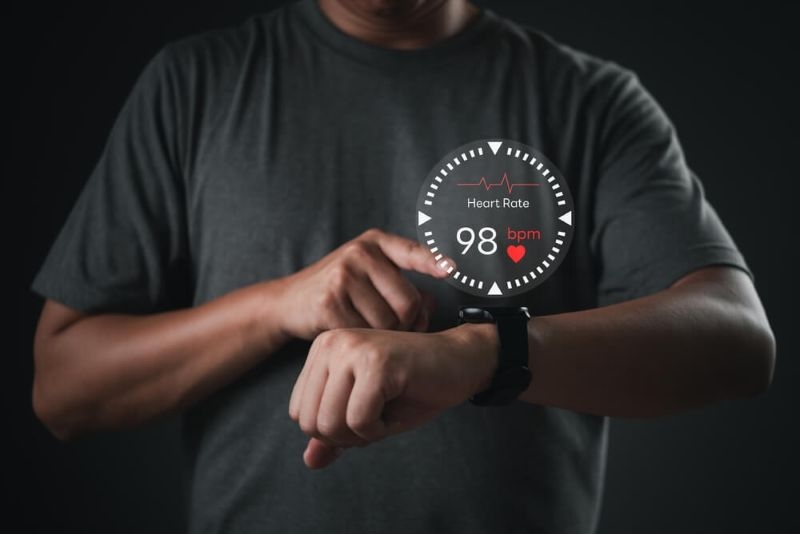
Healthcare’s changing at breakneck speed, and health tech wearables are right at the center of it all. These little gadgets—think smartwatches, fitness bands, even high-tech rings—put real-time health data right on your wrist. You’re not just counting steps anymore. Now you’re tracking your heart rate, sleep, oxygen levels, and stress, every second of the day. And as tech improves, wearables keep getting smarter, more accurate, and more integrated into the healthcare system.
Let’s dig into what makes these devices tick, how they work, why keeping tabs on your body stats is useful, what fitness trackers might look like in 2026, how AI is changing health analysis, how wearable medical technology is changing things, and how checking on patients remotely is changing the future of healthcare.
They’re electronic devices you wear—most often on your wrist, but sometimes on your finger, chest, or even as a patch. They don’t just sit there, either. They’re busy picking up signals from your body: movement, heart rate, sleep cycles, temperature—you name it.
The real game-changer? Wearables let you keep tabs on your health all the time, not just when you’re sitting in a doctor’s office. That steady stream of data lets you actually understand your body and act before something becomes a problem.
These are the gadgets that dig deeper, tracking things like heart rhythm, blood oxygen, your skin’s temperature, and even signs of stress. You won’t always notice changes in these numbers at your annual checkup, but your wearable will. That’s huge for catching trends early.
Today’s devices are way smaller and more precise than a few years ago. Sensors keep getting sharper, and calibration is tight, so the info you get is actually reliable. For people dealing with chronic health issues, that means fewer surprises and more control.
And as wearables evolve, accuracy isn’t just a nice-to-have—it’s everything. When the numbers are right, people trust the tech. That trust is key for both users and their doctors.
Forget just logging your steps. The trackers coming in 2026 will double as personal health coaches. They’ll dig into your recovery, hydration, stress, and—believe it or not—probably even keep tabs on your blood sugar, all in real time. Battery life will last longer, designs will get sleeker, and you’ll wear them all day without a second thought.
Big names like Apple and Fitbit are already paving the way. They’ve shown fitness and health can fit together in one device, and they’re pushing wearables closer to the kind of performance you’d expect from medical equipment.
It’s one thing to collect a mountain of health data. AI can really help us understand our health. When you're trying to understand all that health info, that's where artificial intelligence can be helpful. AI health tools analyze data and identify patterns, trends, and risks you might not notice.
These tools can tell you about unusual heartbeats, warn you when you're getting too tired, or show changes in how you're sleeping.
In the clinic, AI saves doctors time by distilling months of patient data into actionable insights. Pair that with remote monitoring, and you get fewer guessing games and more solid decisions. This is where healthcare’s headed, and honestly, it’s about time.
Wearable medical tech sits right at the crossroads of everyday gadgets and serious healthcare tools. We’re not just talking about step counters anymore. These are real medical devices—think heart monitors, insulin pumps, ECG patches—approved for clinical use and tied directly into a patient’s care plan.
These wearables do more than just collect data. They send a steady stream of information straight to doctors and nurses, helping them spot problems early and make more accurate decisions about treatment. Hospitals and home care providers use them more and more as technology gets better and rules catch up. People are starting to trust these devices, and now they do a lot more than just track steps or calories.
Remote patient monitoring is where wearables really shine. Instead of dragging yourself into the doctor’s office every time, your wearable keeps tabs on your health and sends updates to your medical team. It’s especially helpful for folks dealing with things like heart disease or diabetes.
Let’s say your blood sugar spikes or your heart rhythm looks off—your doctor gets an alert, and they can reach out before things get worse. This setup keeps hospital beds open for people who really need them and helps doctors use their time better. Patients get to stay home and still feel cared for, which is a win for everyone.
So why does everyone want a health wearable? They’re genuinely useful. You can track your steps, manage your stress, watch your sleep, and actually see if you’re getting healthier. Real-time feedback means you catch patterns—like how a tough workout helps you sleep or how stress messes with your heart rate. That kind of information is powerful. Over time, it pushes people toward better habits.
And it’s about to get even smarter. By 2026, fitness trackers will get way more personal, adjusting their advice based on your own data. That means the device doesn’t just nag you to walk more—it actually knows what works for you.
Of course, it’s not all smooth sailing. Data privacy is a big issue. Wearables know a lot about you, and companies need to keep that information locked down and be clear about how they use it.
Accuracy matters, too. These devices are better than ever, but they’re not perfect. Think of these as helpful hints, not a substitute for seeing a doctor. People are creating improved sensors and smarter programs, which means these tools are becoming trustworthy.
Also, the government is getting involved to be sure these tools are safe and work well, especially when they’re used to keep an eye on patients remotely. This keeps things fair for everyone.
Looking ahead, health wearables will only get more powerful. Sensors keep shrinking. AI gets sharper. Soon, these devices will track even more health stats and plug right into your medical records, making it easier to share information with your care team and keep it safe.
AI could help catch health issues early, before you even feel sick, which would be a big deal for keeping people healthy. And if you add in tech that lets doctors check on you from afar, we might see fewer trips to the hospital and just better health for many.
Health tech wearables are changing the way we look at health. No more guessing—these devices track your heart rate, sleep, activity, and a whole bunch of other metrics right as you live your day. Fitness trackers keep getting smarter.
Tech keeps moving fast. Wearables now sit at the heart of preventive care, chronic disease management, and just feeling better day to day. The future of healthcare is on your wrist—or wherever you decide to wear it. It’s all connected and powered by data.
You use health tech wearables to track things like your heart rate, sleep, activity, and other biometrics. They help with both general wellness and medical support.
Biometric monitoring devices today are pretty accurate, especially when you’re looking for trends or patterns. Still, don’t skip your doctor—these gadgets don’t replace real medical advice.
AI health tools look at the information from your wearables and make sense of it. They show you patterns, give you early warnings about possible problems, and offer health advice that's just for you.
Remote monitoring systems let your doctors watch your health, no matter where you are. By using the data from your wearables, they can find issues sooner and help you stay out of the hospital when you don't need to be there.
This content was created by AI